NEW TO BLUES?
Blues Dance history
What is blues dance?
by JEFF MILLER
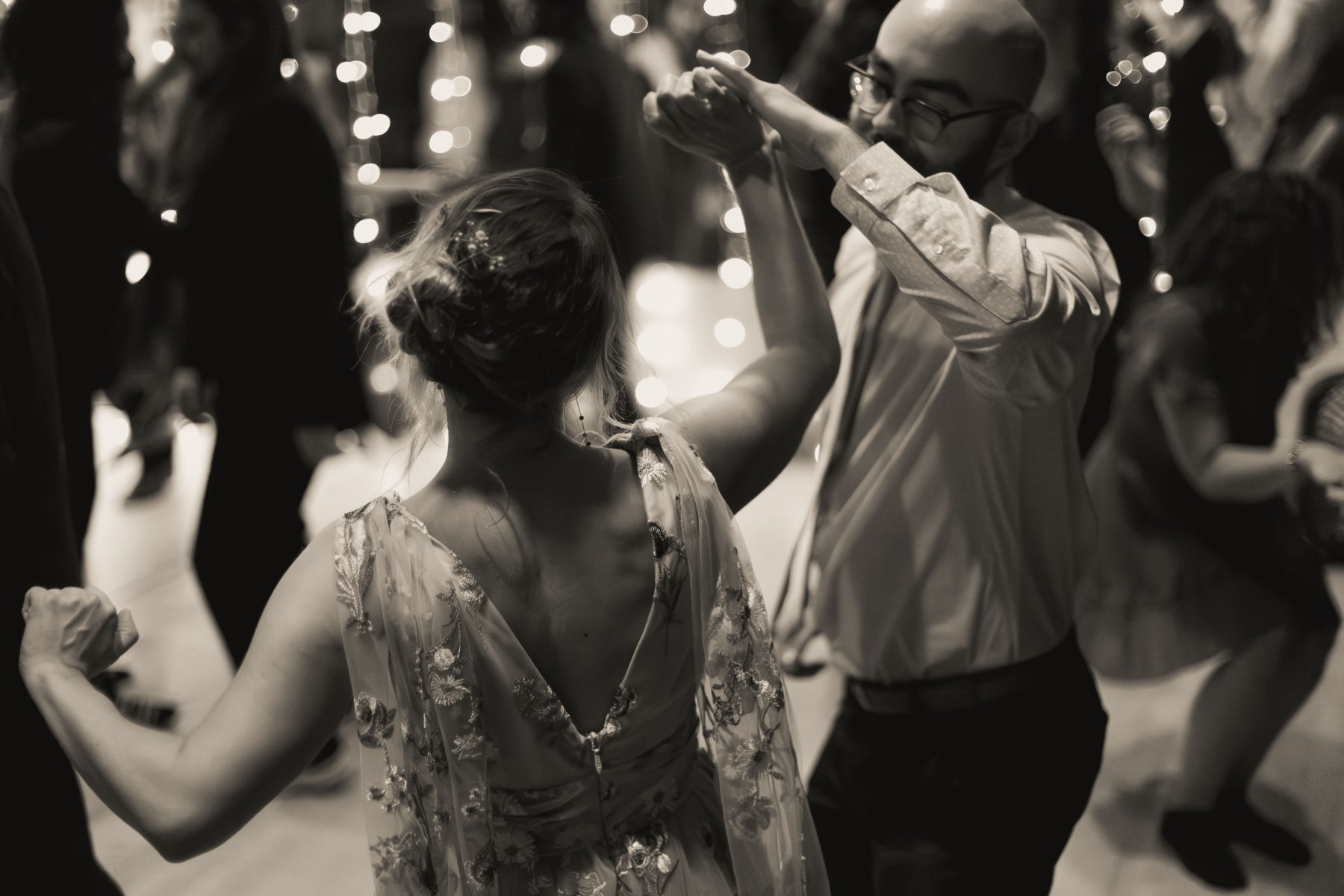
For most Blues Music lovers, you may often find yourself at a Blues concert just chilling out, enjoying the show, listening to the band create sweet music to wash away the problems of the day. And where there is music, there is dancing. Some people hit the dance floor and just sway. Some do the shake-your-booty shimmy. But others may move together, in unison as one, totally connecting to the music. That is called Blues Dance!
Different Blues Dance Styles
Now Blues Dance is much more than just dancing to Blues music. Since Blues itself is not only a genre, but a feeling, a style, a noun, a verb, an expression. It is unlike any other dance style. Blues music itself dates back to the late 1800s historically deriving from work songs from the Southern states. Turning it into its own American folk music style with playing, singing, and dancing about the happenings of the times. Good or bad. Blues is a style of music that has tested the trials of time.
The roots of Blues Dance goes back to the African tribal rhythms and movements combined with modern techniques into the dance you see today. Blues Dance is a term used to describe a whole family of dance styles that has had over a century to be redeveloped, reformed, and reshaped into today’s dance. It is also a reflection of the listener’s natural reaction to Blues music. It may just start with the tapping of a foot, clapping hands, or simply moving rhythmically by yourself. But Blues Dancers take that natural movement and express intensity, with their own musical and emotional interpretation by putting the body into motion.
THE RETURN
The Swing dance revival of the 1990s prompted an interest in other traditional Black vernacular dances of the early 1900s. And the current interest in Blues dancing is a result of this. Historically, Blues Dances were not considered a “social” dance or danced in public ballrooms mainly due to its sensuality and intimate ties to the dancers and the dances held at urban house, rent parties, and smoky juke joints. Thus, giving Blues Dance a more personal connection. Blues Dance still contains some of its original forms of improvisation, connection, rhythmic motion, and emotion.
Blues Dance techniques have strong ties to the Blues music itself. Combining simple features like the call & response conventions in the music composition, emotional intensity, and spirituality that is prevalent in Blues music. As long as there are variations of Blues music (Delta, jump, Dixie, folk, slow, fast, Chicago, Memphis, etc), there will be different styles of Blues dancing. Each conveying the feelings and rhythms of each region.
ART IMITATING LIFE IMITATING ART
Blues music is a reflection of one’s perception on life’s experiences and feelings which has the ability to connect to pretty much every person listening. Experiences ranging from love lost & found, financial hardships, spirituality, sadness, celebration, dreams, and aspirations. Each one of us can connect to some part of Blues. Blues Dance puts these experiences into the dance. Dancers often demonstrate the entire range of human emotions each one of us experience in life. These expressions range across musical styles and tempos also.
When you see Blues Dancers on the dance floor, it is much more than just dancing a set pattern. It is the connection between the dancers to each other, and also the connection to the music which is what the dancers are trying to achieve. Blues Dance allows one a chance to delve into our emotional history and to connect with people from all walks of life, to interact and to share a part of ourselves. Blues can express or release what one is feeling at the moment. More important, it’s what the music says to each person. Some hear happiness, some sadness, some passion, and some joy. But most important, Blues Dance is a dynamic partnership between the dancers and the music.
GET OUT & DANCE
Social Dancing in general is a fun form of exercise that allows you to get out of the house, meet other people, spend some time doing fun exercise, and make new friends. But Blues Dancing is totally unlike other dance styles out there. Dancing to Blues Music is all about real life — the good, the bad, the ugly, and everything in between. Blues Dancing is the ultimate expression of one’s being.
In today’s Blues dancing communities, there are various notions about what constitutes true “Blues Dancing”. Blues Dancing today may range from traditional Blues dances to the “shake your booty” dances, but each has been adapted to suit the needs and interests of contemporary dancers.
One thing is for certain, Blues Dance is a natural expression when listening to Blues music. As long as there is Blues music, there is Blues Dancing.
(DON’T WORRY
What to expect
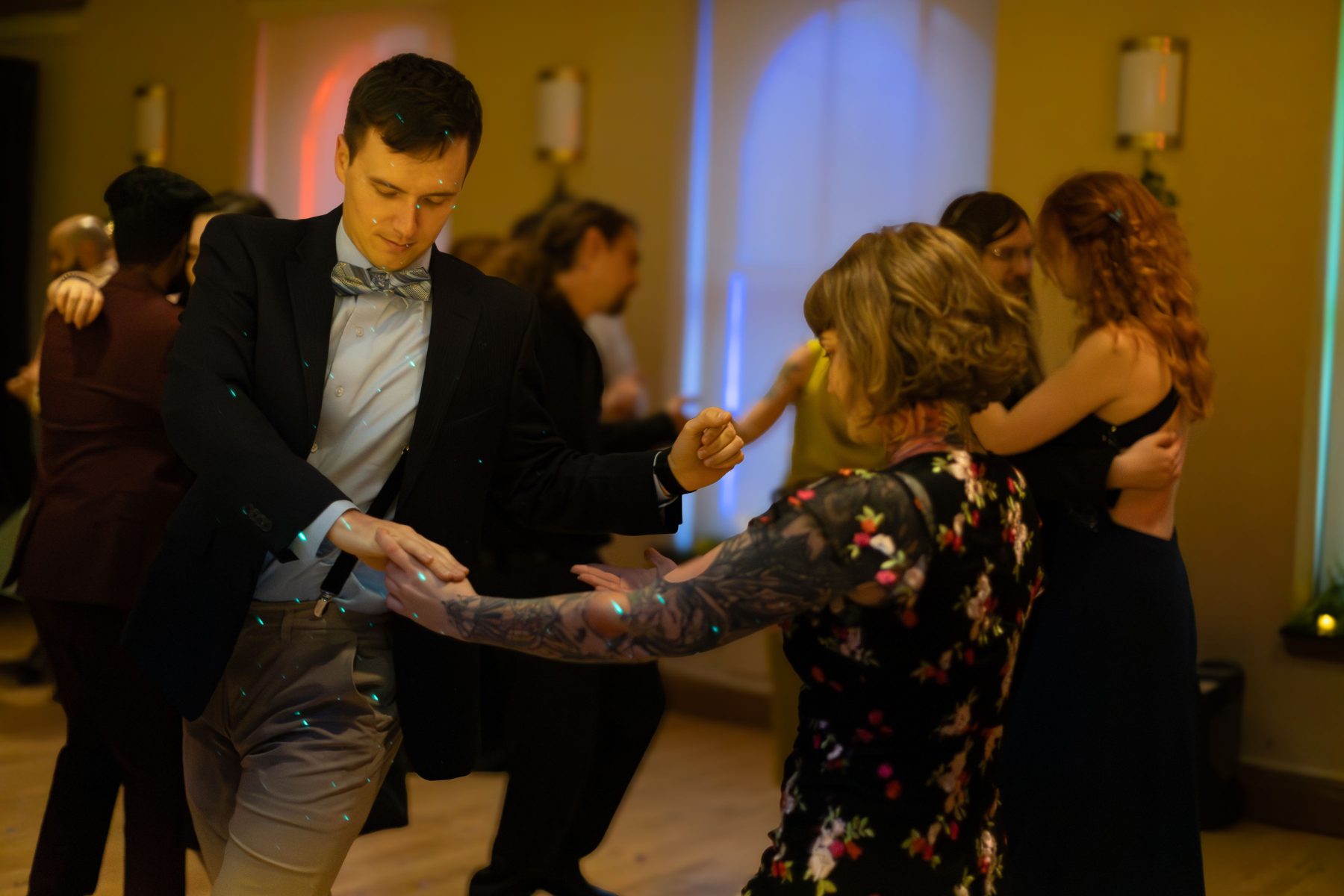
No partner needed — you will rotate and meet everyone. No experience needed — our community is famously kind to newcomers. Just bring comfortable clothes and an open mind.
A few friendly tips: wear comfortable clothes you can move in and shoes with a smooth, flat sole that let you glide and pivot (grippy sneakers make turning tricky). Bring a water bottle and maybe a spare shirt (you’ll warm up fast) and remember that deodorant and fresh breath go a long way on a close-embrace floor.
Best of all, free drop-in beginner lessons run each evening before the social — no partner and no experience required. Come a little early, say hello, and jump right in.
© 2026 Dirt Cheap Blues Exchange • Norfolk, VA • All rights reserved.